Tell big banks to protect the Amazon
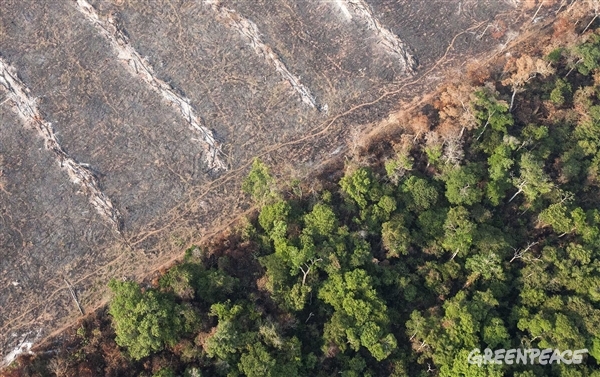
Brazil is the world's largest soy producer and exporter. The country produces about 150 million tonnes of soy per year, of which 80% are exported. On January 5, the key soy traders in Brazil - Cargill, Bunge, ADM, Louis Dreyfus, COFCO and Amaggi - withdrew from the Amazon Soy Moratorium (ASM), after tax incentives that encouraged compliance were removed. Under the ASM, soy traders committed not to purchase soy grown on land deforested after July 2008 in the Amazon. It has been widely recognised as one of the most effective large-scale conservation efforts ever. Between 2009 and 2022, deforestation fell by 69% in monitored municipalities in the state of Mato Grosso. The collapse of the ASM is a dramatic backlash for forest protection in the Amazon. The Amazon Environmental Research Institute (IPAM) indicates that if the ASM collapses, Amazon deforestation could surge 30% by 2045, putting millions of hectares at risk and directly undermining Brazil's climate commitments.
Scientists have warned that the Amazon is approaching a tipping point where the entire ecosystem could convert into a fire-prone grassland, releasing billions of tonnes of carbon into the atmosphere. The collapse of the Amazon Soy Moratorium is not happening in isolation. It coincides with two other critical policy shifts driven by aggressive lobbying from agribusiness industry groups: the delay of the EU Deforestation Regulation (EUDR) and the new EU-Mercosur trade agreement. The EU-Mercosur trade agreement was signed by the EU Commission on 17 January 2026 and is currently being reviewed by the European Court of Justice. Both the EU-Mercosur deal - which increases Brazilian agricultural imports to Europe - and the political delay of the EUDR are driving further soy expansion in the Amazon. Together, these create a unprecedented storm - opening markets and intensifying production pressure as safeguards are being dismantled.
Soy trader Cargill - the largest private company in the USA - supplies the German retailer Aldi and even operates its own port in Santarém in the Brazilian state of Pará. From there, Cargill controls the trade in soy from the Brazilian Amazon and the Cerrado savannah. Investigations show that Cargill - despite the ASM - continued trading soy grown on land for which rainforest was burned down - at least until 2020. Cargill and Bunge together control more than a fifth of the soy exports from Brazil. Fast-food chain McDonald's has a 45 year corporate partnership with Cargill. McDonald's played a pivotal role in establishing the Moratorium 20 years ago, after Greenpeace International published "Eating Up the Amazon", which exposed how soy grown on deforested land was entering the company's poultry supply chain. Abandoning the Moratorium will render it virtually impossible for McDonald's to guarantee its soy supply chains are not linked to new deforestation of the Amazon, whereby violating McDonald's global commitment to halting deforestation.
Until now, financial institutions have provided 75 billion USD in loans to Brazil's soy sector. All of these big banks have made commitments to address deforestation and could use their financial leverage to push traders to recommit to the moratorium's basic terms. The spotlight is on the banks: if they're serious about their "No Deforestation" commitments, they should force the world's largest soy traders back to the table. You can help by signing the petition of the Rainforest Action Network. Tell the big banks to protect the Amazon. Don't let big banks walk away from their responsibility.
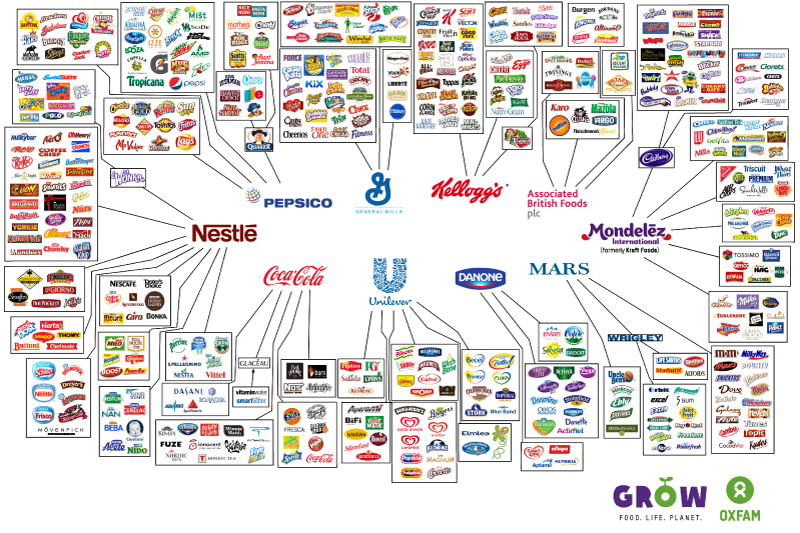
Global consumer goods companies play an outsized role in driving deforestation and human rights abuses through the commodities (palm oil, cocoa, soy, etc.) in their supply chains. Mondelēz International - the global food giant behind Oreos, Cadbury, and Toblerone - has spent years cultivating an image as a sustainability leader, earning high environmental scores and pledging to eliminate deforestation and human rights abuses from its supply chains. In reality, Mondelēz International continues to fail at adequately addressing rainforest destruction and ensuring there is no tolerance for human rights abuses in its palm oil supply chain. Even worse, Mondelēz has taken a leading role in efforts to delay the EU Deforestation Regulation, a law intended to hold companies accountable for deforestation and human rights abuses in commodity supply chains. That position has put Mondelēz at odds with several of its global competitors, including Nestlé, Mars, and Ferrero, which opposed further delays of the EUDR.
Check the Buycott app and avoid products of Mondelēz on your next shopping tour.
Our worldwide boycott of Coca-Cola, McDonald's, Starbucks, and Amazon to stop Trump continues until he leaves the White House. Drop Coca-Cola for healthier drinks, visit McDonald's and Starbucks without ordering something and support your local dealers instead of online shopping at Amazon.